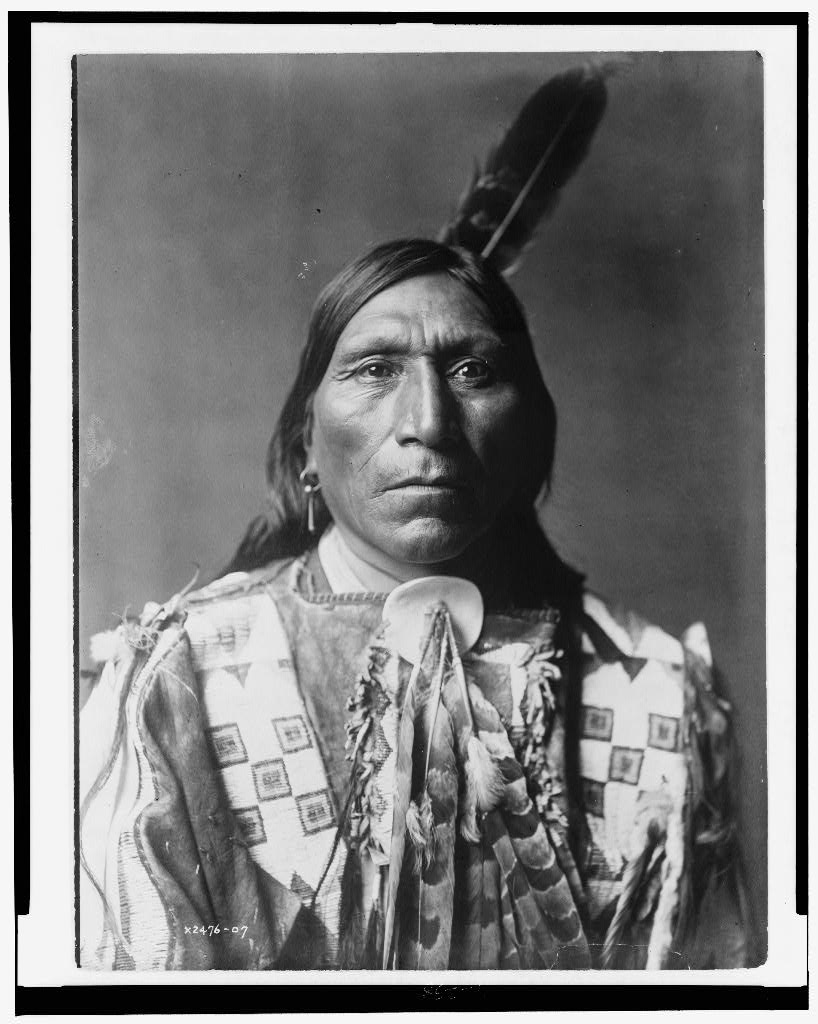
Working with The James Museum’s extensive Robb & Susan Hough Edward S. Curtis Collection is exciting and rewarding, particularly when we can make connections between living descendants from those images. Exploring opportunities to learn and share something about what this collection means for descendant families is special. It represents the kind of context that museums are all about.
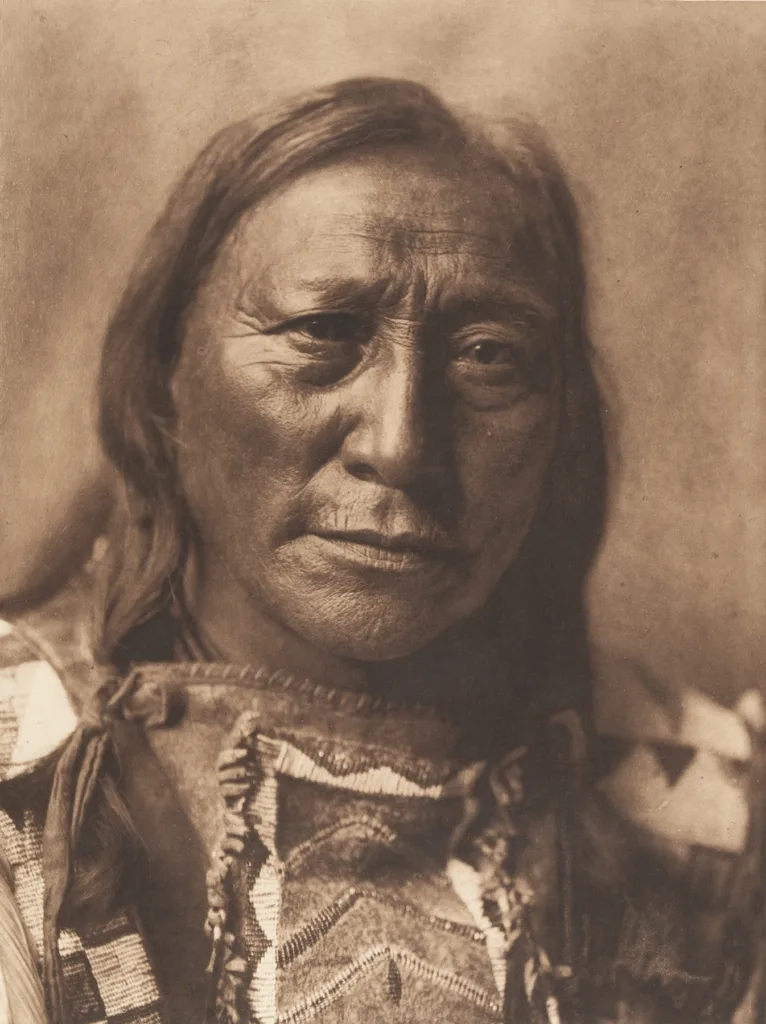
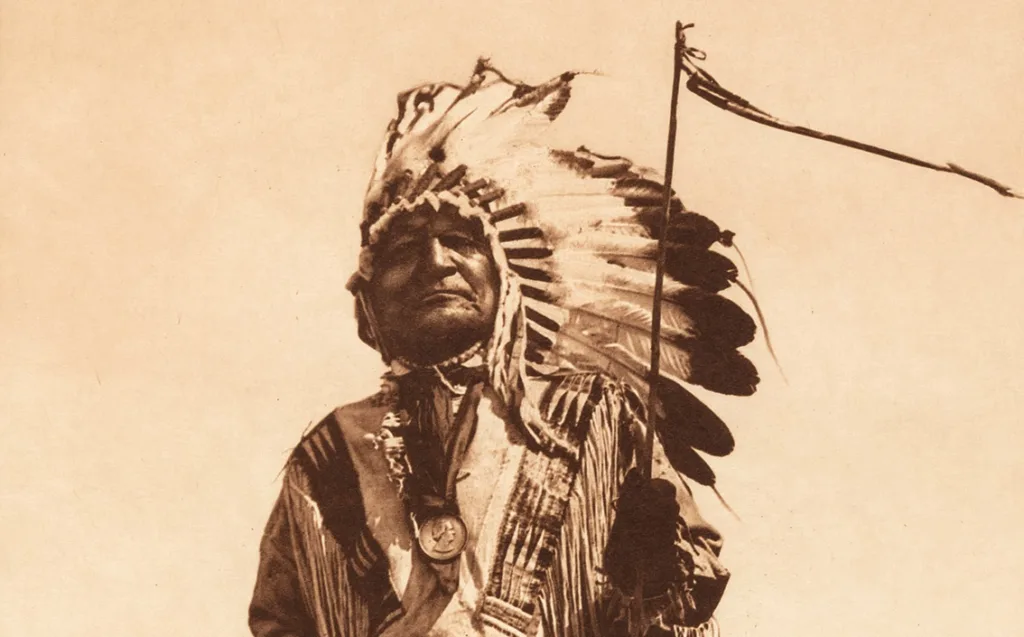
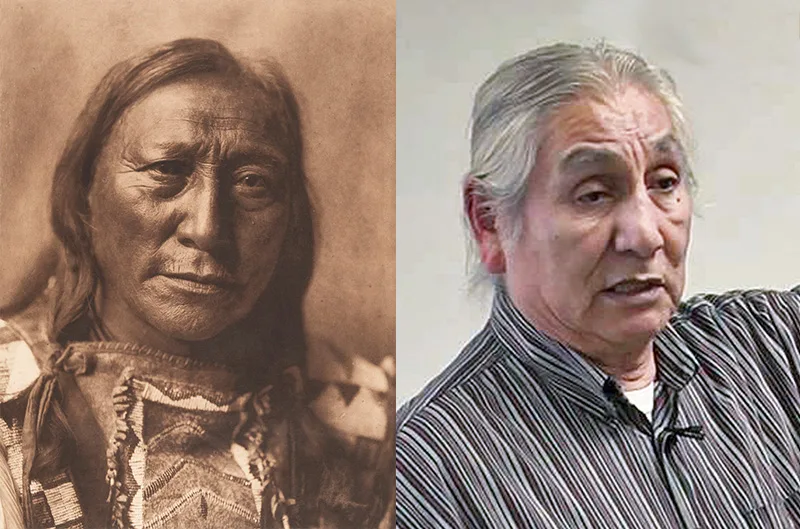
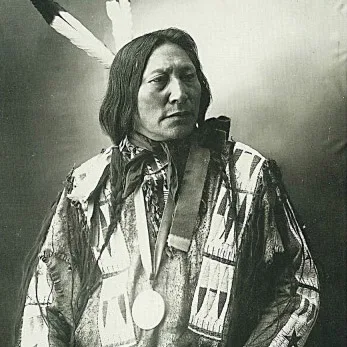
In April 2025, I had the opportunity of speaking with Lakota elder Duane Hollow Horn Bear, a descendant of the Hollow Horn Bear (Matȟó Héȟloǧeča) photographed by Curtis in 1907 (plate 082). Duane’s grandfather was Hollow Horn Bear’s oldest son. Duane was raised not only seeing the famous image that Curtis made of his ancestor, but also with the legacy of that history. In fact, he has the image Curtis took of Hollow Horn Bear set into the face of his watch as well as another reproduction on his wall, so that his great-grandpa is always present in his home and “goes with me everywhere.”
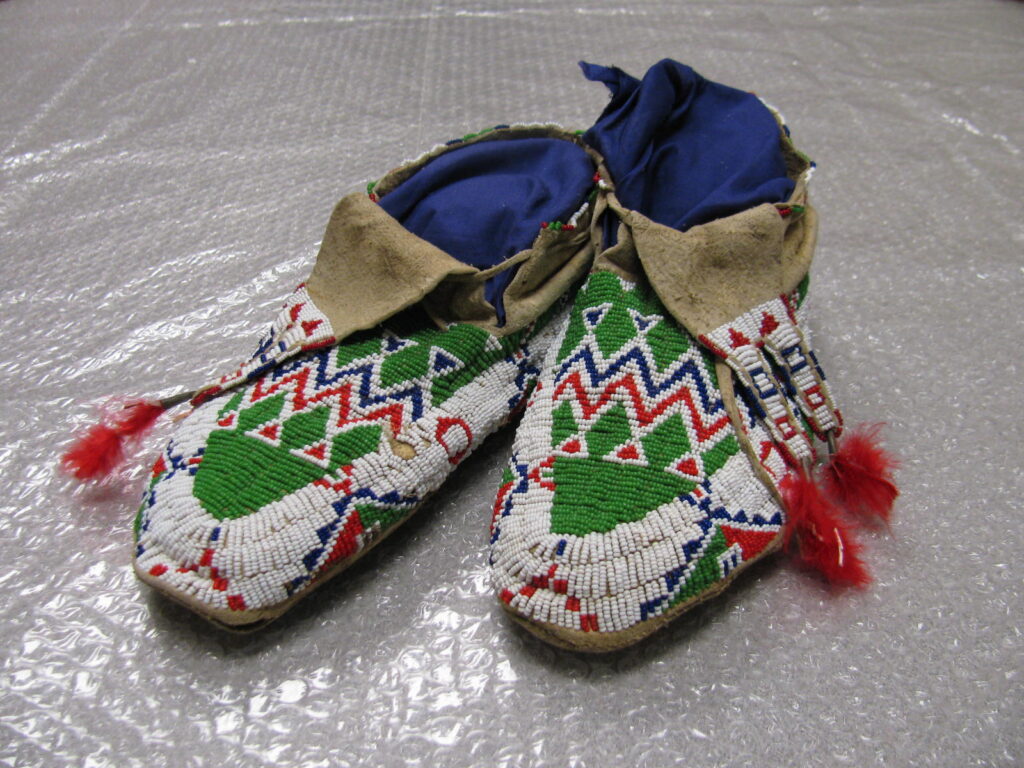
In our conversation, Duane shared that his great-grandfather was a famous orator and, at times, a controversial figure. Hollow Horn Bear fought to represent his Lakota community and maintain their treaty rights and land base during the early reservation years. Duane remarked wryly that he, too, has been perceived in a controversial light over the years, as he has worked on behalf of his Lakota people and fought to have some of his great-grandfather’s belongings repatriated. He has successfully had two of Hollow Horn Bear’s original pipes returned—one of which has an association with the Battle of the Little Bighorn. One of these pipes was returned in 1989, at which time it was used in the Lakota Wiwáŋyaŋg Wačípi (Sun Dance). Duane has also had two of his ancestor’s beaded hide shirts repatriated home to the family from museums both in the United States and abroad.
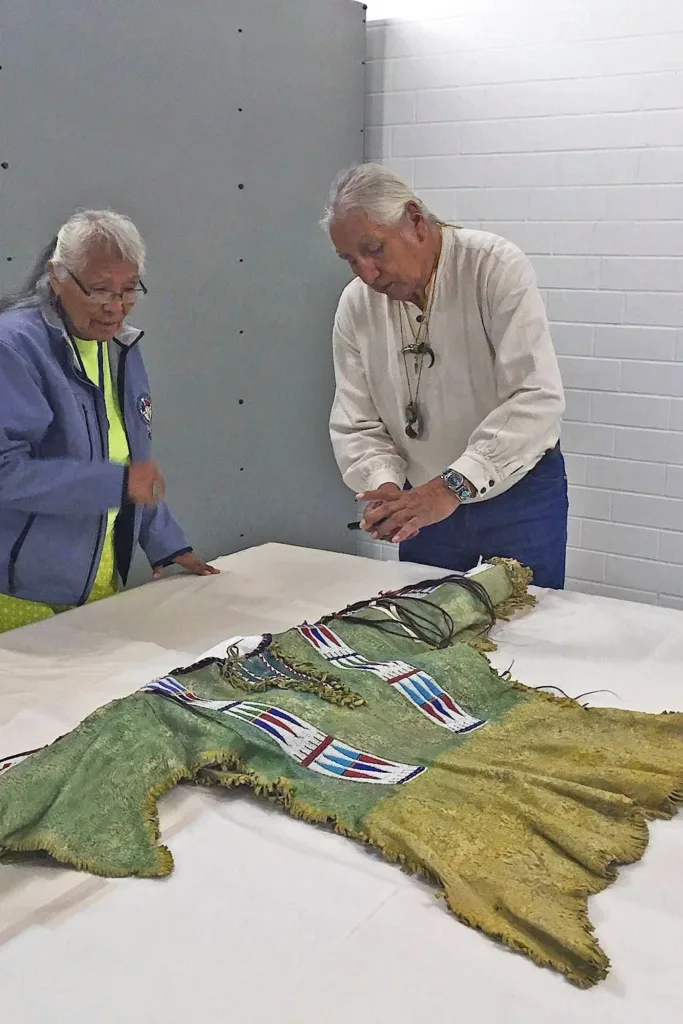
Duane told me that his great-grandpa’s rich legacy “gives me purpose in life,” and said that “I’m striving humbly to carry on his [Hollow Horn Bear’s] name.” Duane has built a legacy in his own right, and is notable for his work with the Sinte Gleska University on the Rosebud Sioux Reservation in South Dakota. He worked with the school for 25 years, teaching classes in Lakota History and Culture, Lakota Language, Lakota Social Systems, Lakota Communication, and more. He remains active as a Cultural Advisor for the Tribe, which is also how I first met him— during cultural consultations he provided at the National Museum of the American Indian in Washington, D.C.
Speaking about his work, Hollow Horn Bear, and his own eventual passage into the next life, Duane said, “When I go to stand next to my grandpa, I can say, ‘Grandpa, I did my best.’ … It’s my journey, and it’s my grandfather’s footsteps that I am following.”