
PERMANENT COLLECTION: About Western Art
Buy TicketsWestern art is defined by subject rather than style, and includes a wide range of artistic approaches and media–from pottery and painting to sculpture, weaving and jewelry.
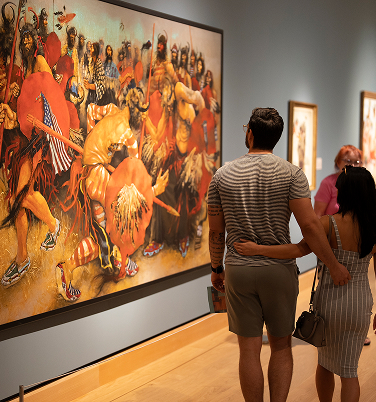
Western art recognizes the rich cultures, histories and natural world of the American West. This varied region of the United States between the Mississippi River and Pacific Ocean includes the Great Plains, Southwest, Rocky Mountains, and Pacific Northwest. The diverse landscapes, peoples and wildlife provide endless inspiration for artists. Western art is defined by subject rather than style, and includes a wide range of artistic approaches and media–from pottery and painting to sculpture, weaving and jewelry.
Highlights From the Collection
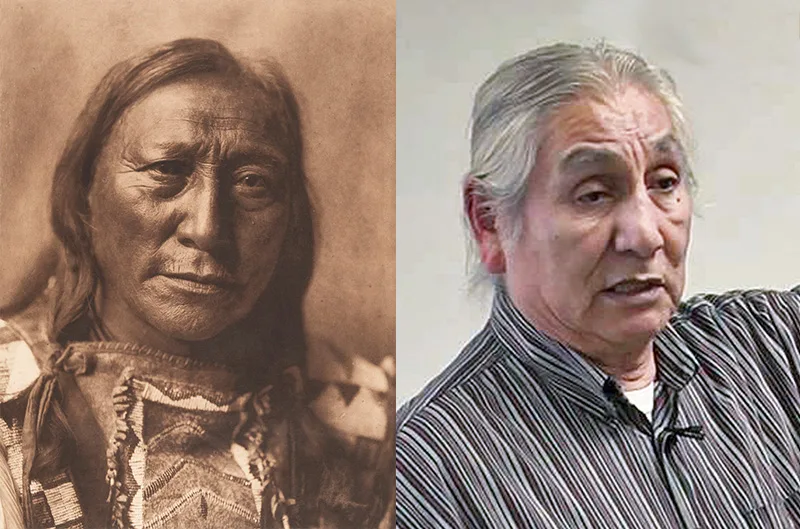
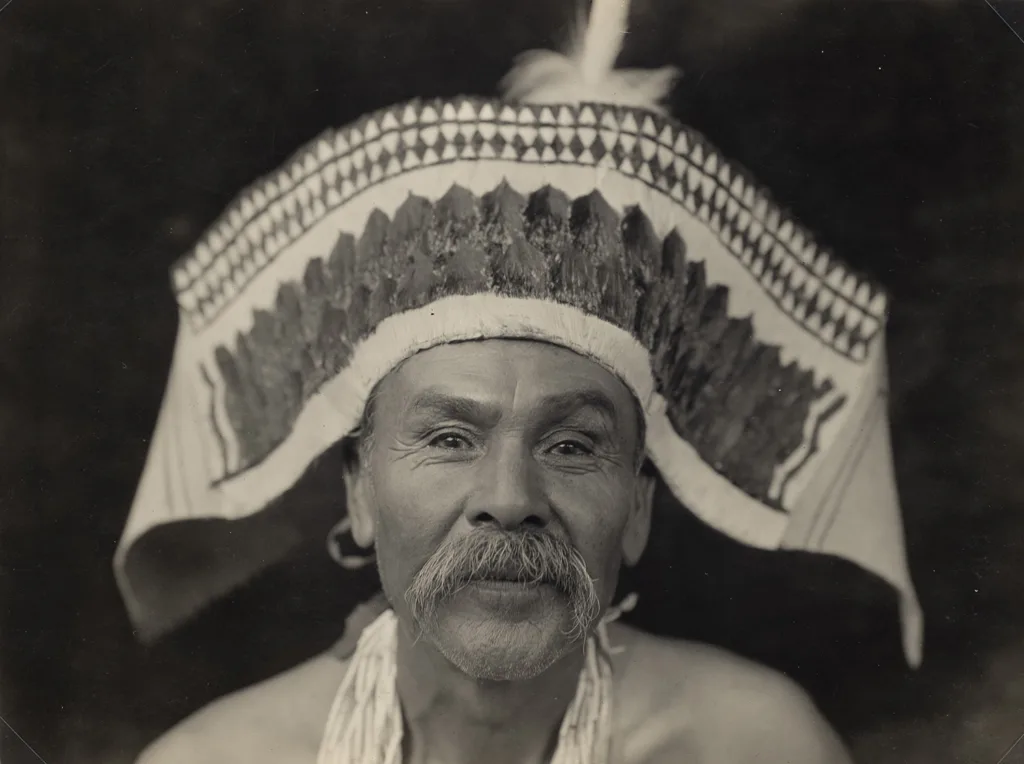
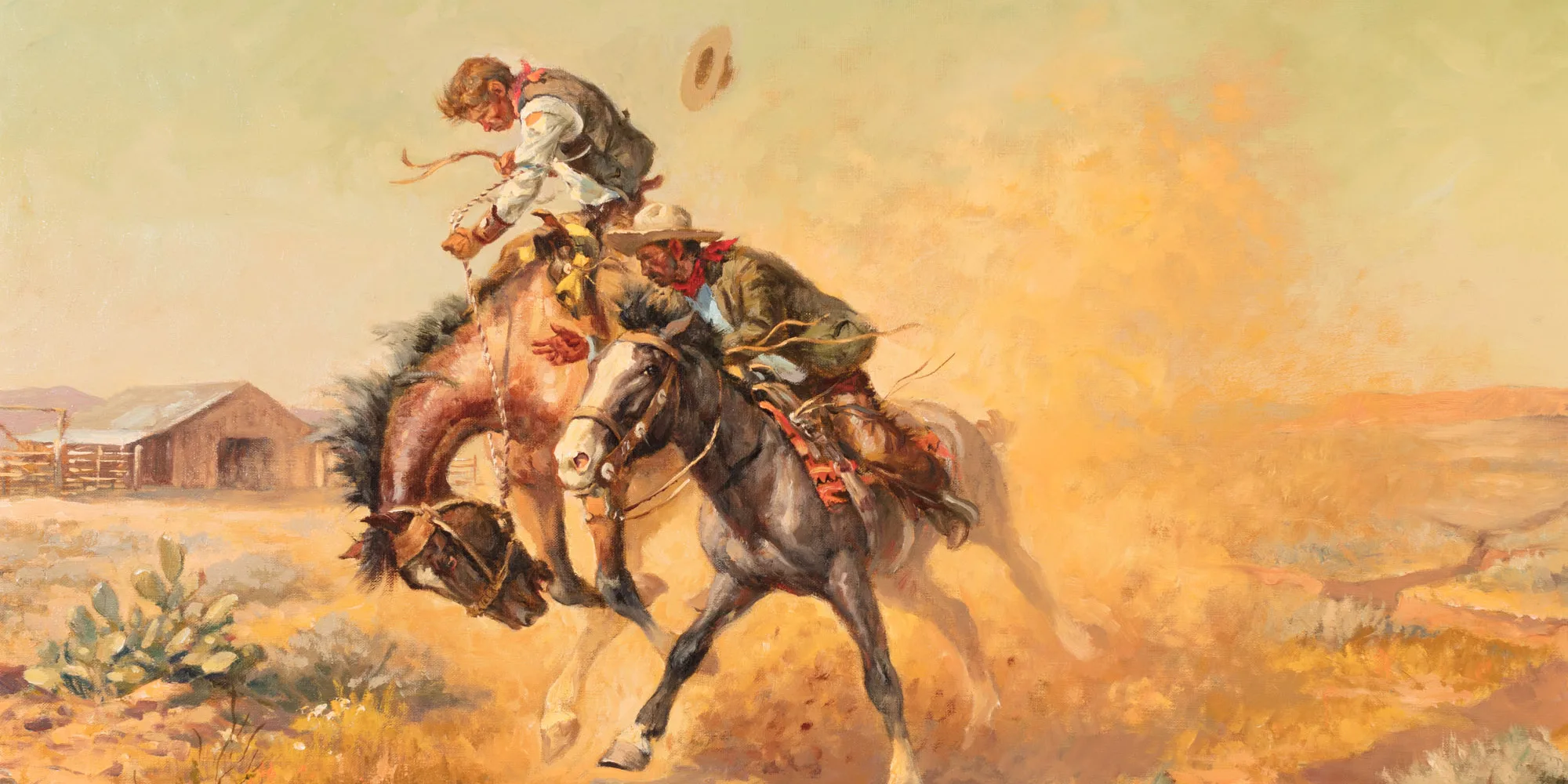
Indigenous peoples have been creating art in the American West for thousands of years. What many people typically consider as Western art today came about with the colonial settlement of North America and the subsequent westward expansion in the 1800s. Early Euro-American artists–such as Albert Bierstadt, Thomas Moran, Frederic Remington and Charles RusselI–became well-known for Western subjects, inspired by their travels west. Their interpretations blended romanticized myths and visual storytelling with elements of documentation, thus shaping public perception of cowboys, Native Americans and the land itself.
In recent decades, Western art has expanded to include changing perspectives and diverse voices. These narratives sometimes shed light on little-known accounts or challenge long-held assumptions. Stylistically the art is often based on realism, though also may draw from art movements such as Modernism, Impressionism, and Pop Art. Above all, Western art remains a powerful form of storytelling and holds a significant role in American art history.
Visit The James Museum
There is nothing like experiencing art in person! Come visit the only Western art museum in Florida – we are open daily.