
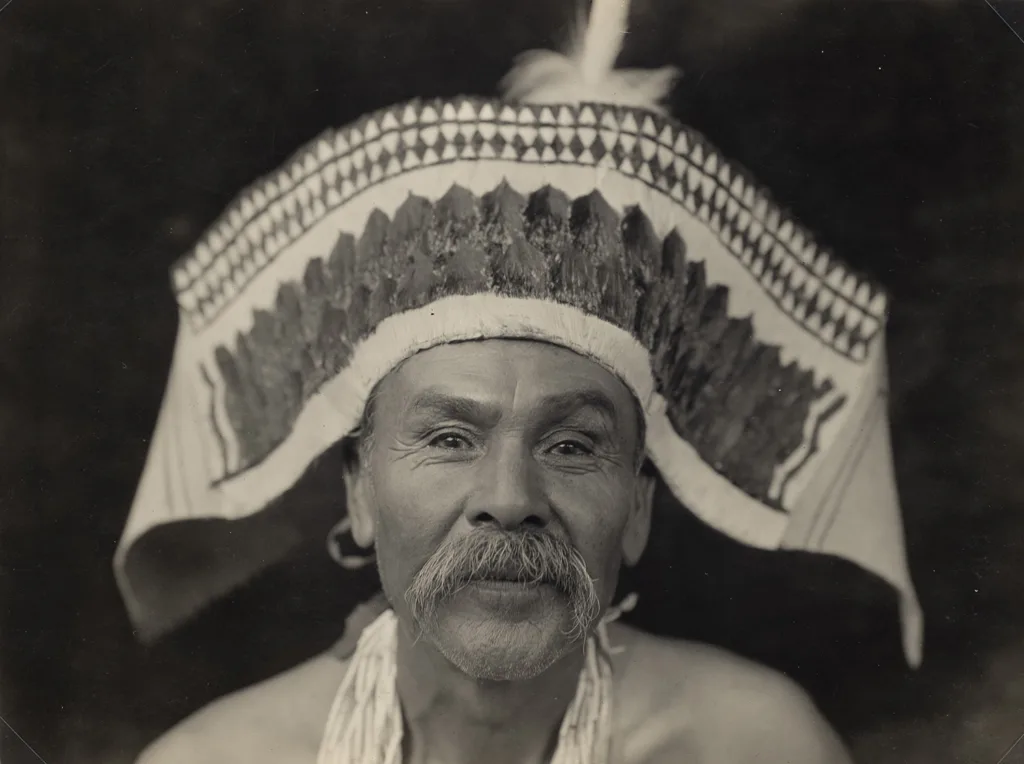
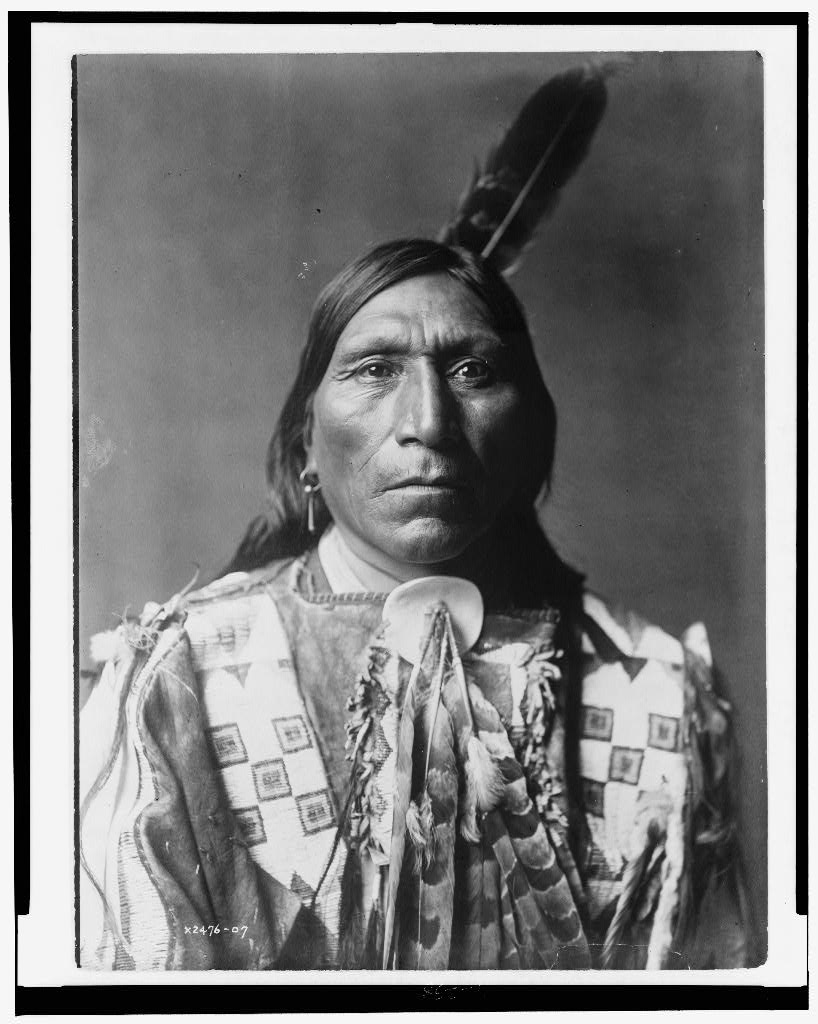
The nature of museum work can be both tedious and fascinating, and collections research is often something of an ongoing group project. One recent task had me looking through hundreds of Native portraits from famous photographer Edward S. Curtis, setting me on a path of pursuing an obsession to uncover what can only be described as a minor mystery.
Let’s begin with some context. First, the James Museum has in its collection an important and substantial collection of photographic works by Edward Curtis, who is most famous for his portraits of Native peoples around the turn of the 20th century. Second, I am somewhat of an avid researcher, from subjects relating to my Native Wôbanaki and Nakoda heritage to perhaps what is far too deep into J.R.R. Tolkien’s legendarium. Last, I am a craftsperson. My heritage is a big source of inspiration and has led me down a dark road of creating lots of folders on my phone and computer to house thousands of pictures and screenshots of museum pieces I have been blessed to find over the years.
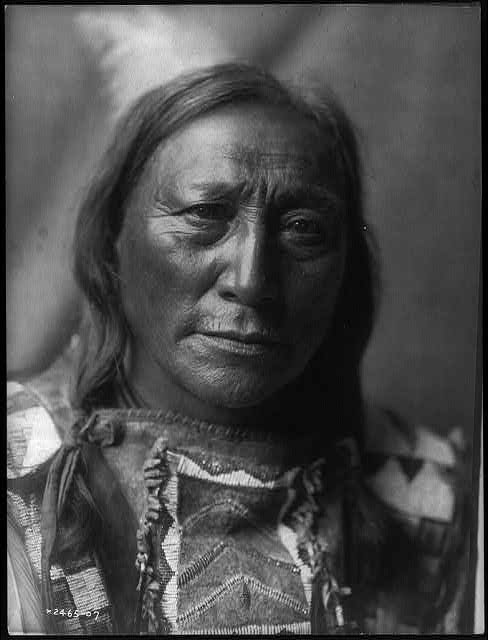
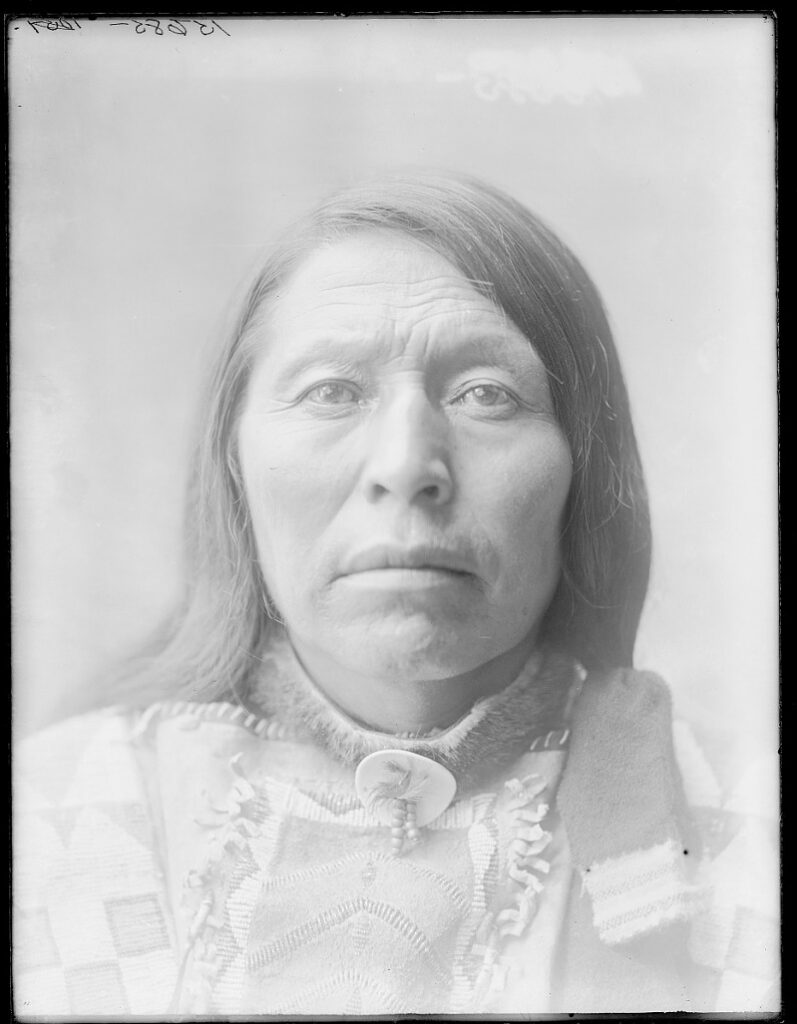
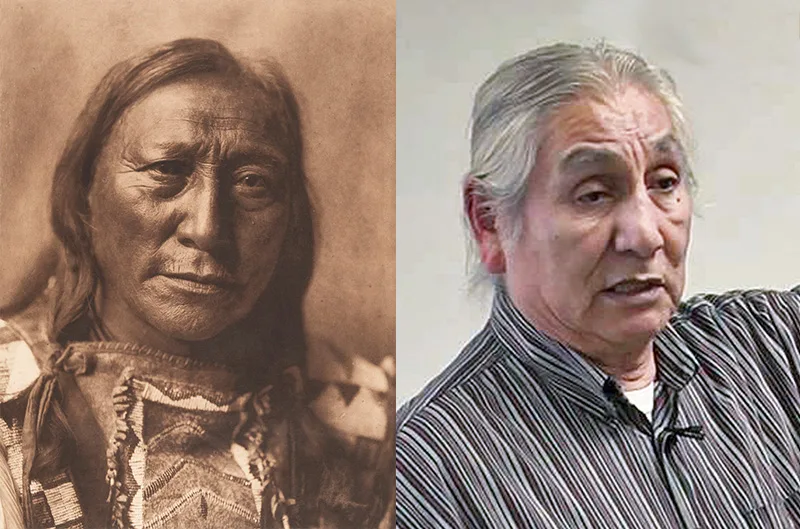
Now back to Curtis. As I was pouring over the striking images he made of Lakota individuals for The North American Indian, I noticed a beaded shirt that repeatedly turned up, worn by several individuals in his work. Having made a couple of beaded shirts myself, this piqued my interest. I had to find out more. Eventually, I counted 16 different individuals wearing the same beaded shirt! It dawned on me that I had seen this shirt somewhere before, and—like a true nerd—found an image in my “archives” of the famous Lakota man Četáŋ Kiŋyáŋ (Flying Hawk) wearing the shirt in a photo by Charles Carpenter for the St. Louis World’s Fair in 1904. This predated the Curtis images by about three years.
Heading back to my “archive” of screenshots, I found the shirt and tracked it to a museum in London: the Horniman Museum. I reached out to the curators with images of the shirt in Curtis’s work, and the records they shared stated: “Frederick Horniman’s grandson, Eric, purchased this beaded jacket during a visit to the U.S., and gave it to the museum in 1925. It was made by members of the Dakota tribe, also known as the Santee Sioux.”
“Frederick Horniman’s grandson, Eric, purchased this beaded jacket during a visit to the U.S., and gave it to the museum in 1925. It was made by members of the Dakota tribe, also known as the Santee Sioux.”
Horniman Museum Records
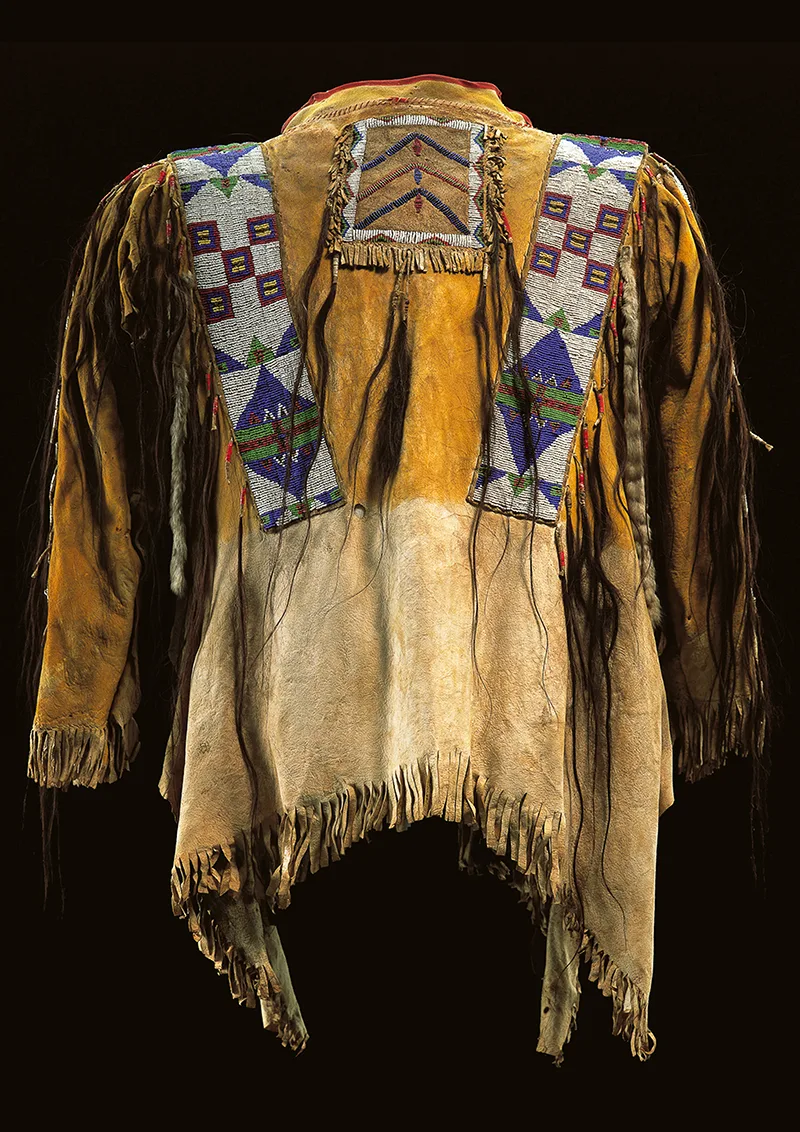
Further research has revealed that while Curtis was working in 1909, he was accompanied by both anthropologist Alfred Haddon and English student Eric Horniman. Haddon took his own photographs and collected Native objects that are now divided between the Museum of Archaeology and Anthropology, also known as MAA, at the University of Cambridge and the Horniman, a museum established by Eric Horniman’s grandfather and where Eric would later serve an advisory role.
These pieces of information not only help confirm the shirt’s origins and a connection to Curtis but also start to shed more light on its travels. This minor mystery illustrates how museum research is ongoing, as we try to uncover more about the storied lives of our collections. I hope to continue to learn more about this enigmatic shirt worn by so many individuals. Stay tuned for my updates with new insights.