Virtual Exhibition
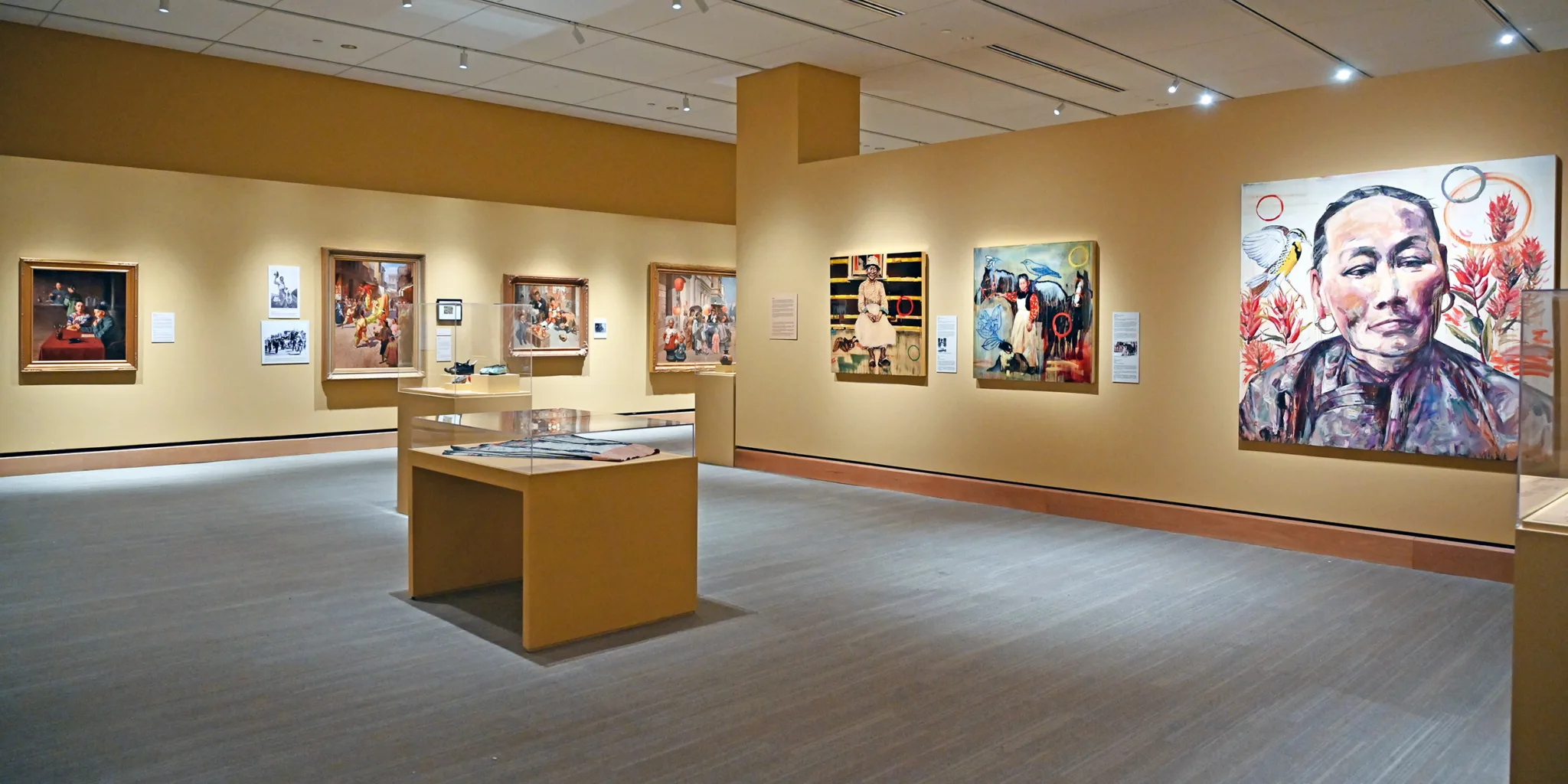
From Far East to West, on view at The James Museum in 2023–2024, remains available as a virtual exhibition in both English and Mandarin. Below is also a video overview from Chief Curator Emily Kapes, who developed the exhibition.
From the Gold Rush and the Transcontinental Railroad to the development of Chinatowns and Angel Island, and the contemporary paintings of Chinese American artists Hung Liu (1948–2021), Mian Situ, Jie Wei Zhou and Benjamin Wu. The works of art, along with historical objects, transport viewers back in time to gain insight into what life was like for early Chinese immigrants who helped build the American West. The stories of resilience and self-determination from generations ago continue to inspire us today.
“This exhibition was an opportunity to expand on the works by Chinese American artists already in The James Museum collection and engage with Chinese American art and culture in a thought-provoking and visually captivating manner. The exhibition also underscores The James Museum’s commitment to fostering a deeper understanding of Western and American art and history.”
Emily Kapes, The James Museum Chief Curator
Video Tour
Explore the Exhibition
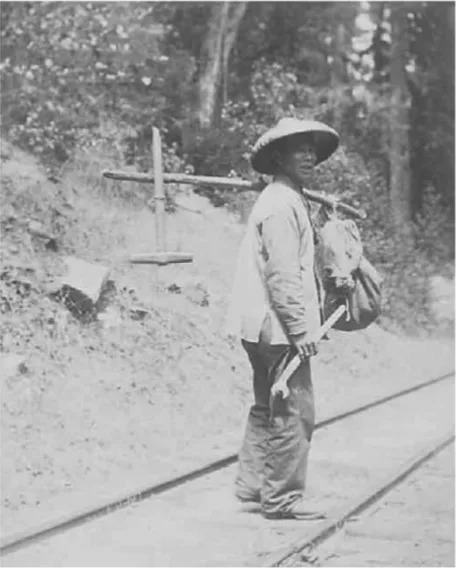
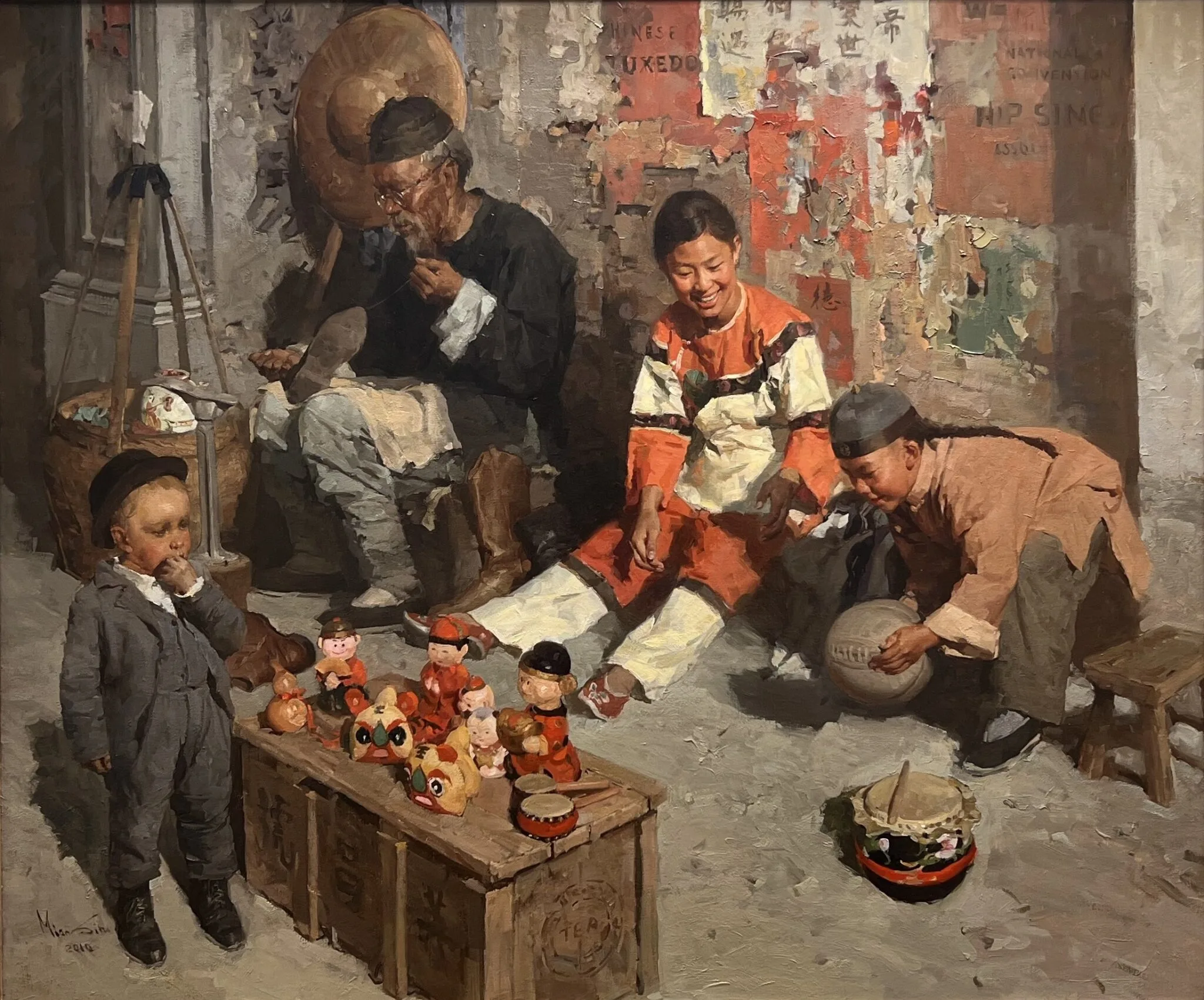
04. CHINATOWNS
Early Chinatowns functioned as a city within a city and provided social and economic support for Chinese immigrants.
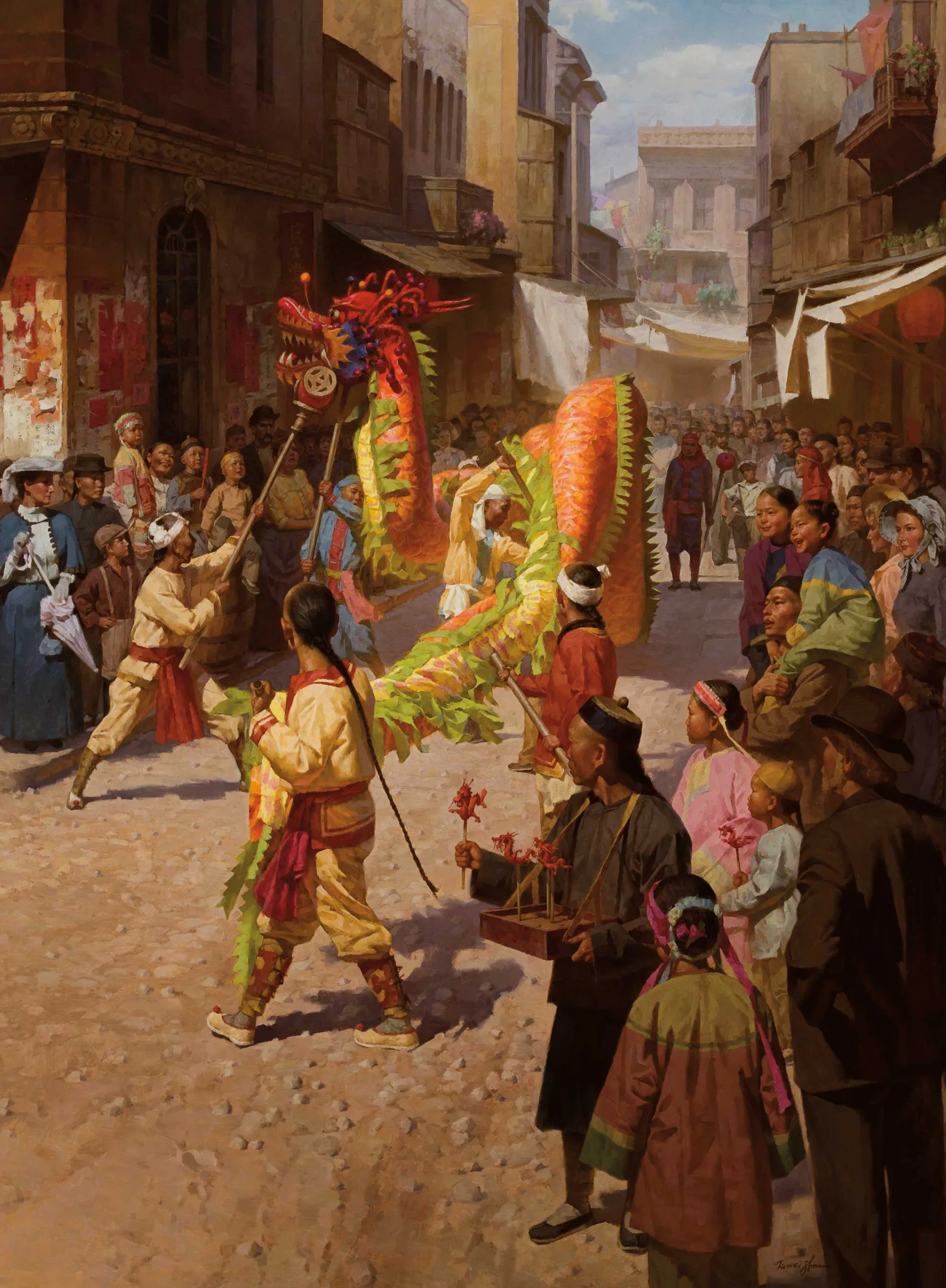
05. FESTIVALS
Festivals were an important way for Chinese immigrants to continue celebrating their traditions.
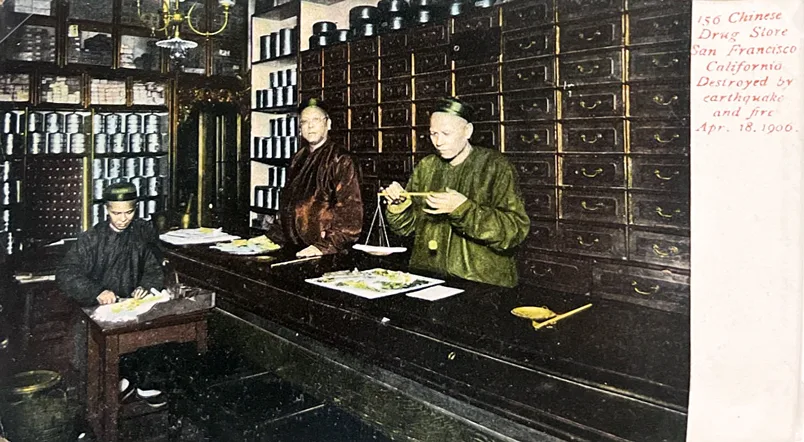
06. MEDICINE
Traditional Chinese medicine was used to treat a variety of physical and mental ailments.
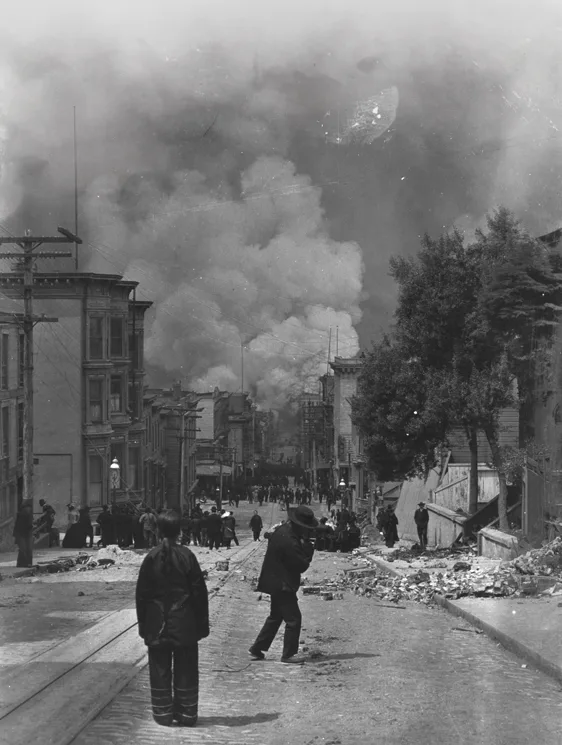
07. EARTHQUAKE
About 15,000 people lived in the crowded blocks of Chinatown when the 1906 San Francisco earthquake hit.
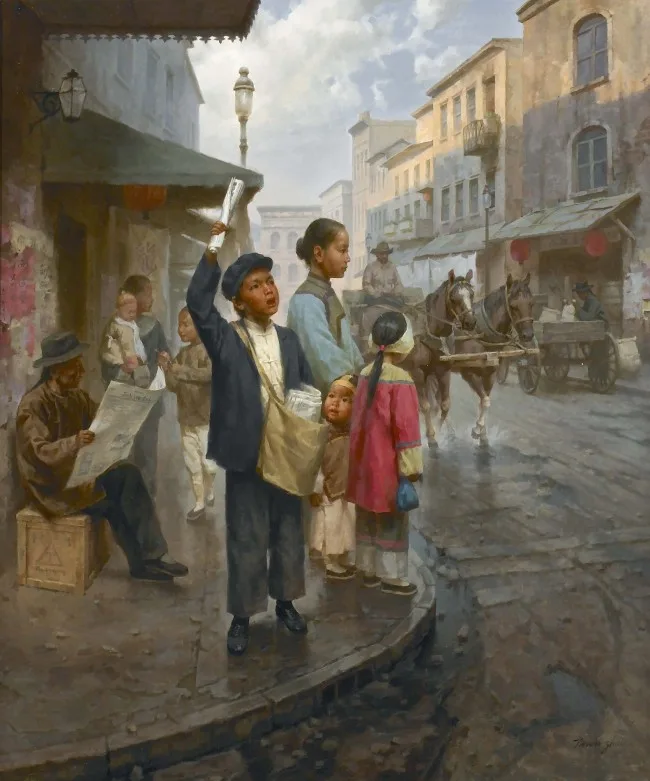
08. NEWSPAPERS
The Golden Hills’ Newspaper was the first Chinese-language newspaper published in the U.S.
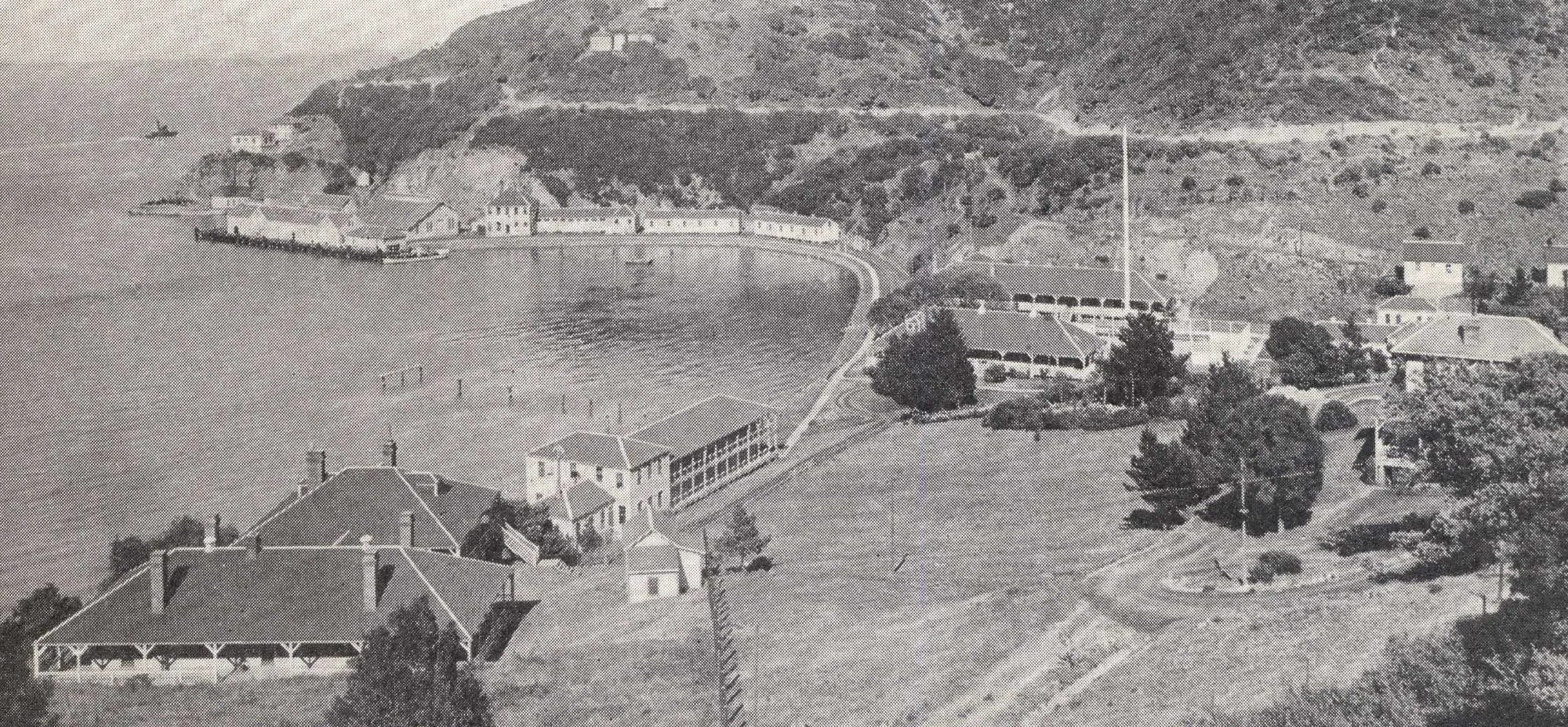
09. ANGEL ISLAND
Angel Island Immigration Station, in San Francisco Bay, became the port of entry for 300,000 immigrants from 1910 to 1940.
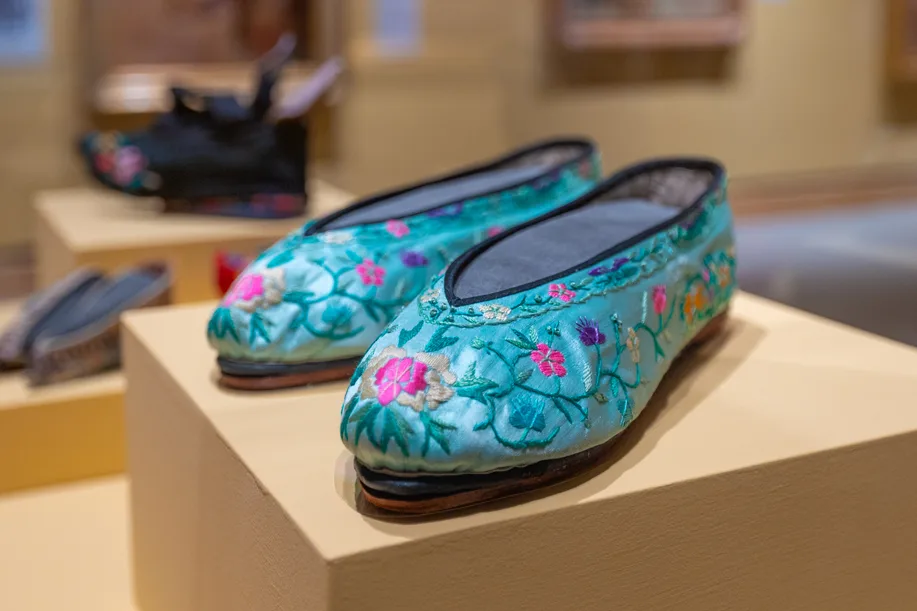
10. WOMEN
The few Chinese women who came to the U.S. in the 1800s were typically wives of merchants, mui tsai (indentured servants), or trafficked workers.
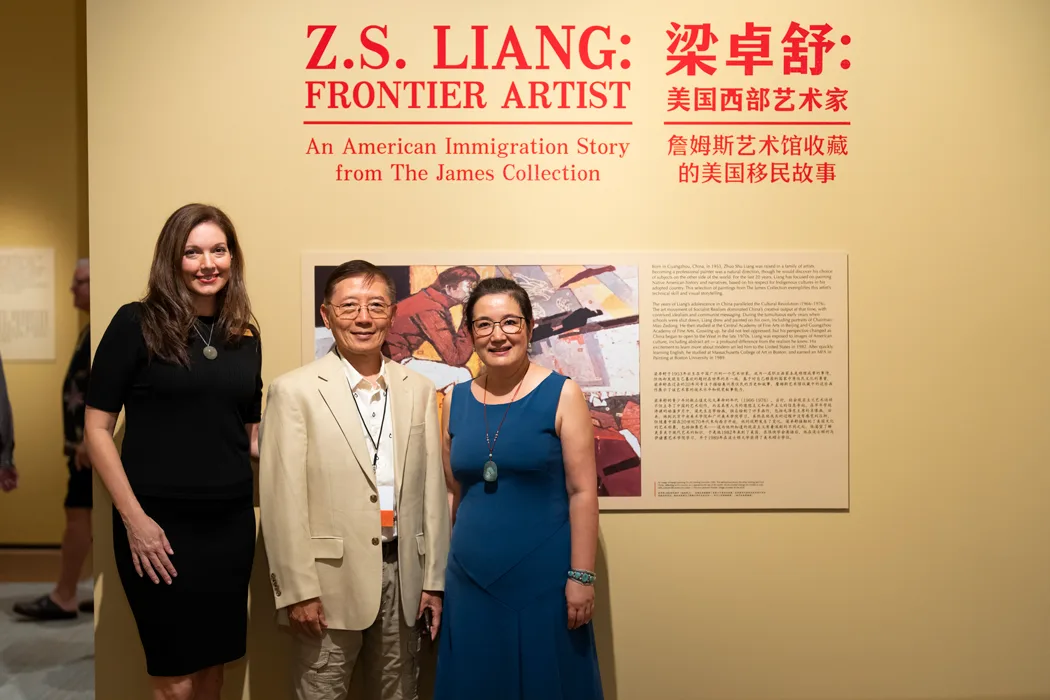
11. Z.S. LIANG
Zhuo Shu Liang was born in China, but moved to the United States in 1982 and became fascinated with Native American culture and history.
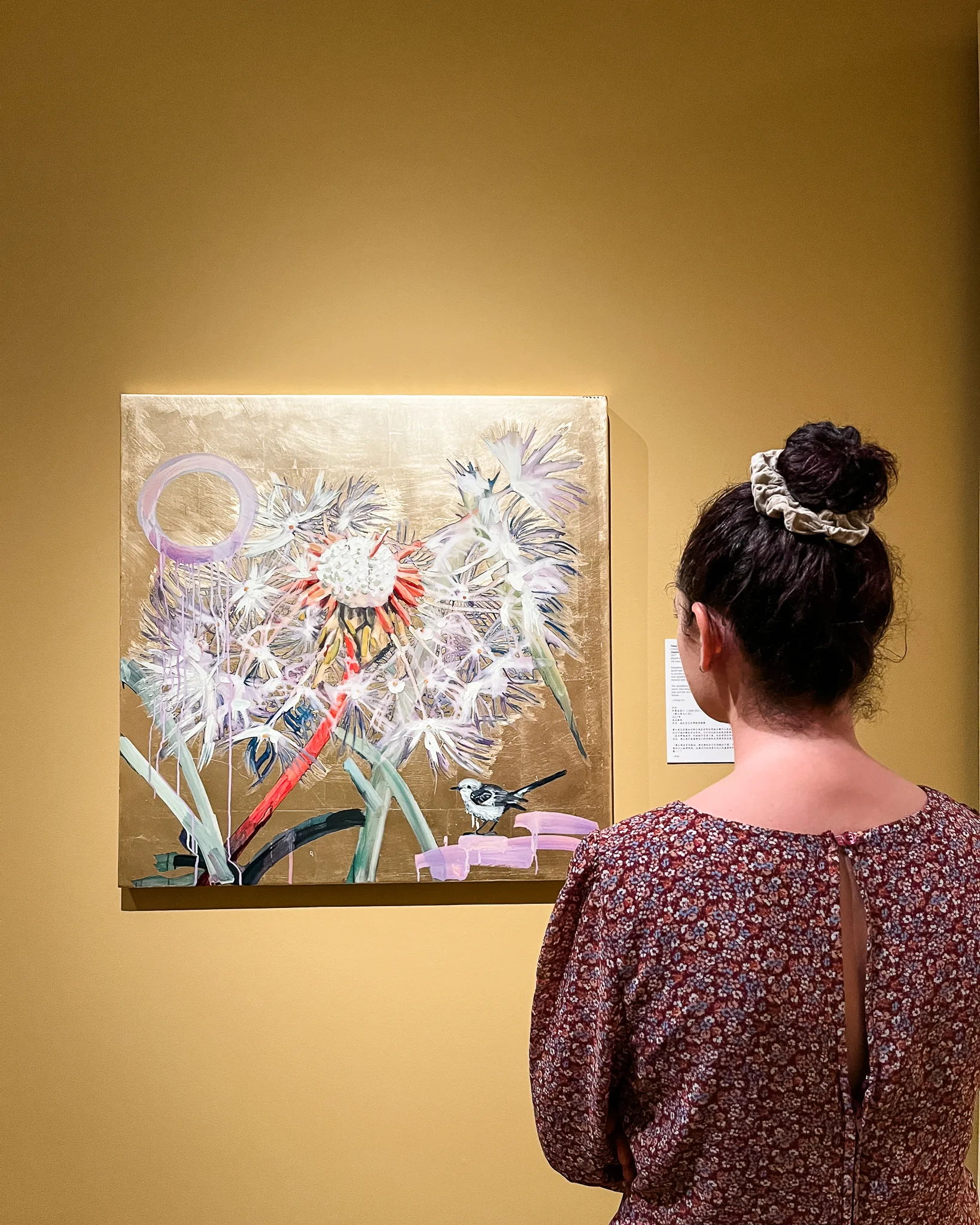
12. REFLECTIONS
Explore visitor responses and images from the exhibition while it was on view at The James Museum.
Exhibition Summary & Acknowledgements
Thank you to Our Sponsors
Sponsored in part by