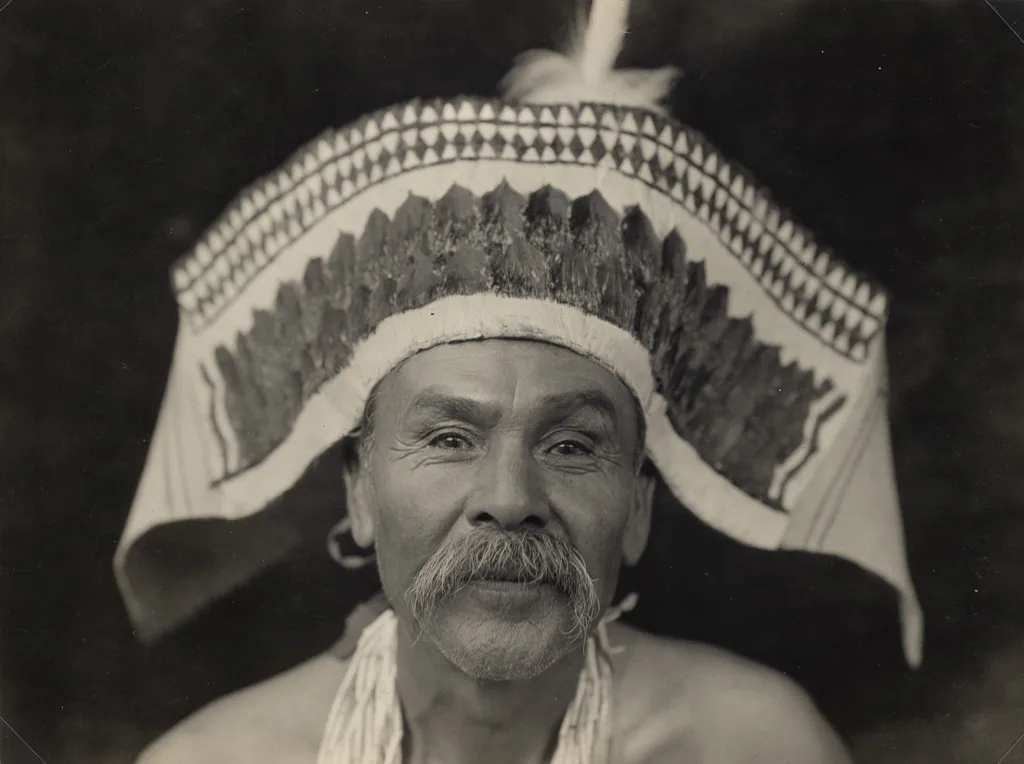
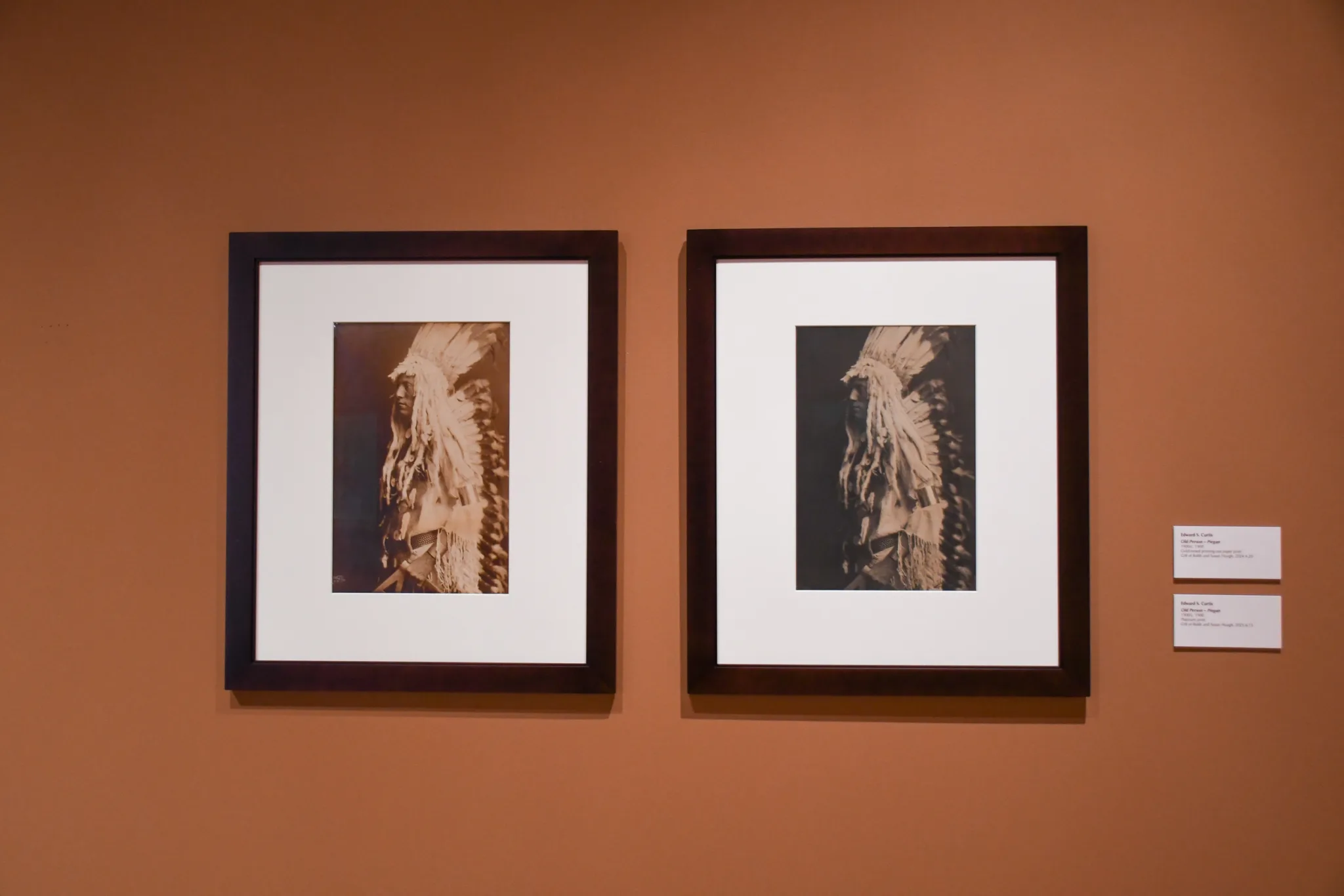
When people talk about Edward Curtis, the conversation usually centers around what he photographed, the scope of the work, and how and why he photographed what he did. And understandably so, because it is highly valuable discourse. But one aspect of his career has received surprisingly little attention, the photographic prints themselves. His technical skill and approach to printmaking was a huge part of his artistic practice and professional life, yet they remain wildly underexplored in existing scholarship and public history. The small exhibit, The Art of the Print with Edward Curtis now on view through April 2027, aims to address this gap.
If you are new here, Edward Curtis was an American photographer of the early 20th century, documenting the Indigenous tribes of North America.
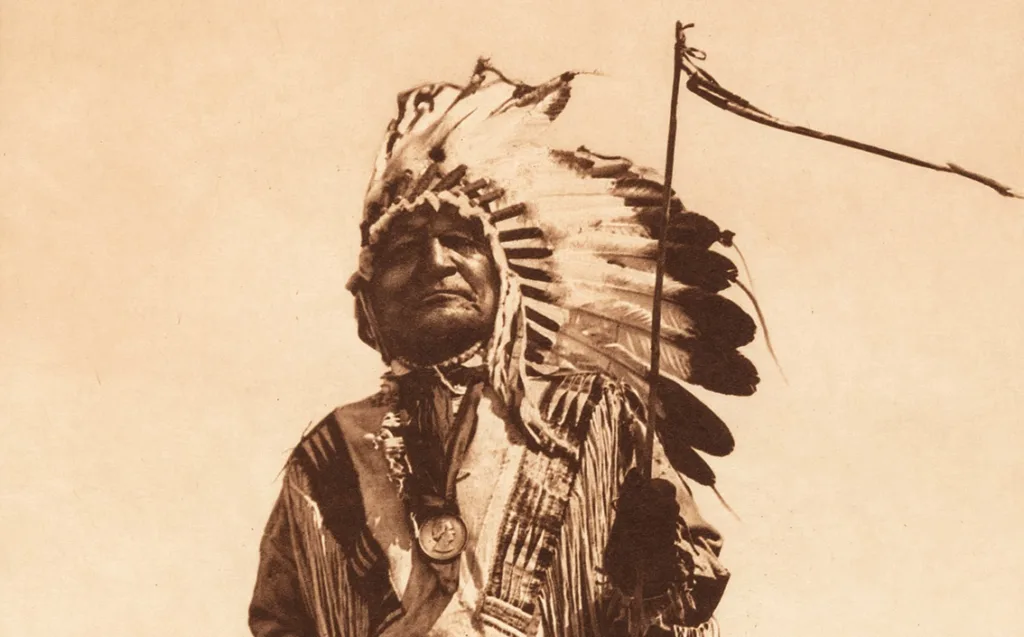
Last year, Robb and Susan Hough donated close to 500 additional Edward Curtis prints to the museum collection that was already nearing 1,000. Among them were a few dozen more examples of Curtis’s rarest photographic work. According to the late Christopher Cardozo, who spent his career studying Curtis, 98 percent of Curtis’s known photographic works are photogravures (a specific type of print). In other words, when you see the work of Edward Curtis, chances are you are looking at a photogravure. The remaining 2 percent consists of photographs printed using other processes including platinum, gelatin silver, orotone, and gold-toned prints. Unlike the photogravures produced for publication, these photographs were specially made by Curtis in his studio intended for individual sale as fine art photography.
Because these prints are so rare, studying them has always been difficult. Those that survive are scattered among institutions and private collections across the country, making it challenging to examine them together and understand the breadth of Curtis’s work. Until now.
With this recent acquisition from the Hough’s, The James Museum now has approximately 150 Curtis “master works.” If this does not yet sound like anything to write home about, I am going to tell you why it is.
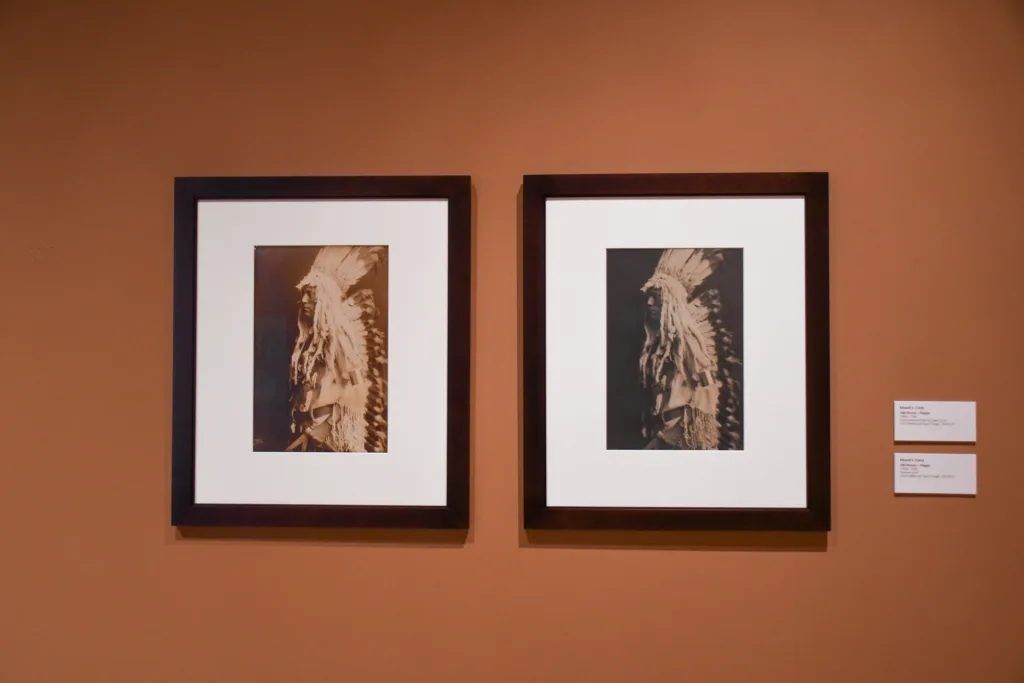
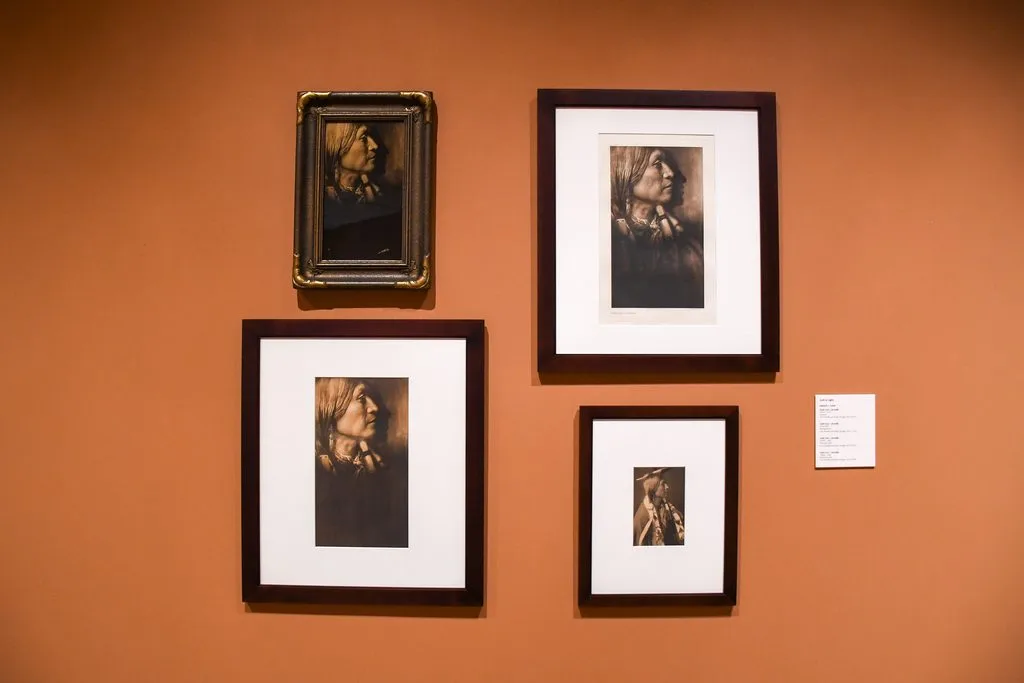
Curtis obviously had some images that he favored, or at least believed sold the best, so he produced many of the same images in different printing methods. For example, an image that had to be among his personal favorites is a photograph of Vash Gon, a member of the Jicarilla Apache community. Within our collection we have four different prints of the same image of him (figure 1). This ability to compare the different processes by looking at the same image is a rare opportunity. Even someone not particularly interested in printmaking can appreciate how the different methods can alter the color, texture, and most importantly, the mood of an image.
Many photographers at the time (and now) did not necessarily print their own photographs, rather, they send them to a printmaker. If they did print their own photographs, they typically stuck with one or two printing methods for the entirety of their career. Curtis worked skillfully in five (six if you wanted to include cyanotypes). This is no small task and demonstrates his unwavering determination, and many many hours of his life that he dedicated to developing his skill in photography and printmaking.
While Curtis is widely known for his documentation of Indigenous peoples, this exhibit explores an often-overlooked dimension of his legacy: his mastery of the photographic print.